4.9(6)
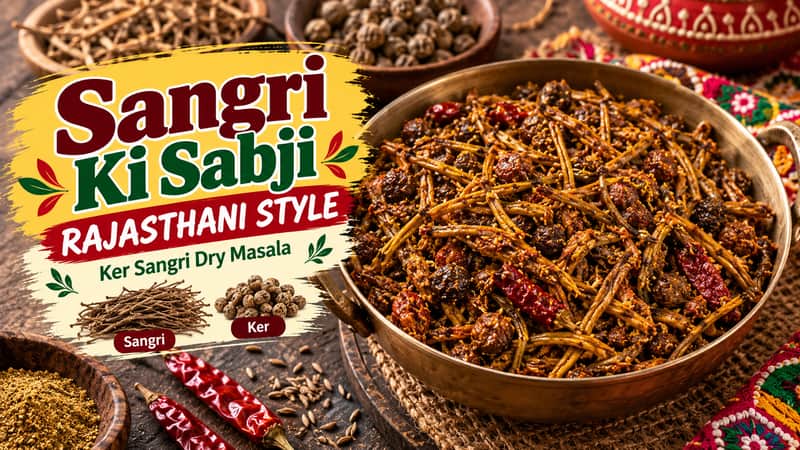
Sangri Ki Sabji Recipe – Rajasthani Ker Sangri Dry Masala
45m4 serves14 itemsVeg
Sangri ki sabji recipe: desert beans and ker berries soaked, pressure cooked and tossed in a cumin, hing, dry red chilli, coriander and amchur masala.
🎉 Milestone: Just reached 200+ recipes & 210+ ingredients! Match what’s in your kitchen →


Also known as: केर (Hindi) · কের (Bengali) · ker (Hinglish) · ker (Benglish)
Ker are small dried berries from the desert shrub of Rajasthan. They are soaked and cooked with sangri beans, and have a tangy, slightly bitter taste.
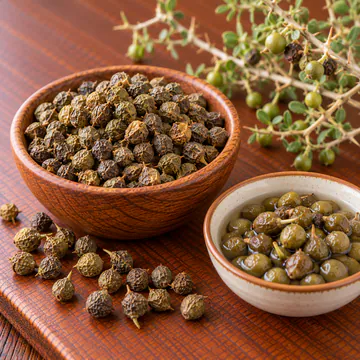
1 recipe uses Ker (Dried Desert Berries).
Sangri ki sabji recipe: desert beans and ker berries soaked, pressure cooked and tossed in a cumin, hing, dry red chilli, coriander and amchur masala.
Ker are small, tangy, and mildly pungent wild desert berries from the Thar desert. Traditionally soaked in buttermilk or salt water to remove bitterness, boiled, and braised alongside sangri pods with mustard oil, fennel, amchur, and whole red chillies to create festive Rajasthani Ker Sangri or tangy desert pickles (ker ka achar).
Capers, dry kokum, dried gooseberry (amla), or cranberries for tartness, though authentic desert ker has a distinct astringent-sour pungency.
Store dried ker berries in an airtight glass container in a cool, dark, and dry pantry. Like other dried desert produce, they keep well for up to 1 to 2 years if protected from moisture.
| Nutrient | Amount |
|---|---|
| Energy / Calories | 245 kcal |
| Protein | 9.6 g |
| Carbohydrates | 46.5 g |
| Total Dietary Fat | 2.3 g |
| Dietary Fiber | 14.8 g |
| Glycemic Index | Low |