4.9(6)
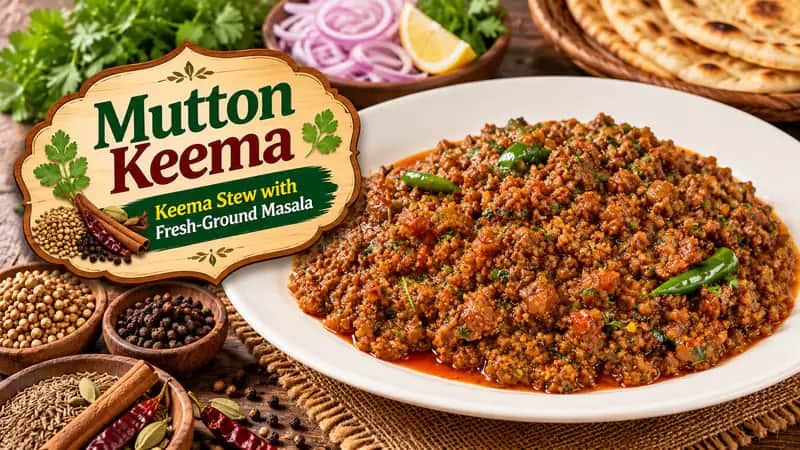
Mutton Keema Recipe – Keema Stew with Fresh-Ground Masala
80m6 serves23 itemsNon-Veg
Mutton keema recipe with a fresh-ground whole spice masala, curd and green chilli. Dry the mince well, then simmer 25 to 30 minutes. Serves 6 people.
🎉 Milestone: Just reached 200+ recipes & 210+ ingredients! Match what’s in your kitchen →


Also known as: जावित्री (Hindi) · জৈত্রী (Bengali) · javitri (Hinglish) · joitri (Benglish)
The lacy, reddish outer covering of the nutmeg seed, sold as dried pieces ("blades"). It has a mild, warm, sweet smell and is used in small amounts in garam masala, biryani and meat dishes.
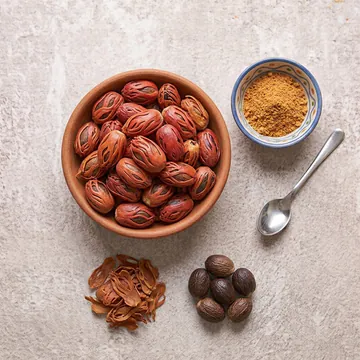
11 recipes use Mace.
Mutton keema recipe with a fresh-ground whole spice masala, curd and green chilli. Dry the mince well, then simmer 25 to 30 minutes. Serves 6 people.

Kabuli chana recipe with soaked white chickpeas pressure cooked, then simmered in a curd and onion gravy with a ground whole spice masala. Serves 4.
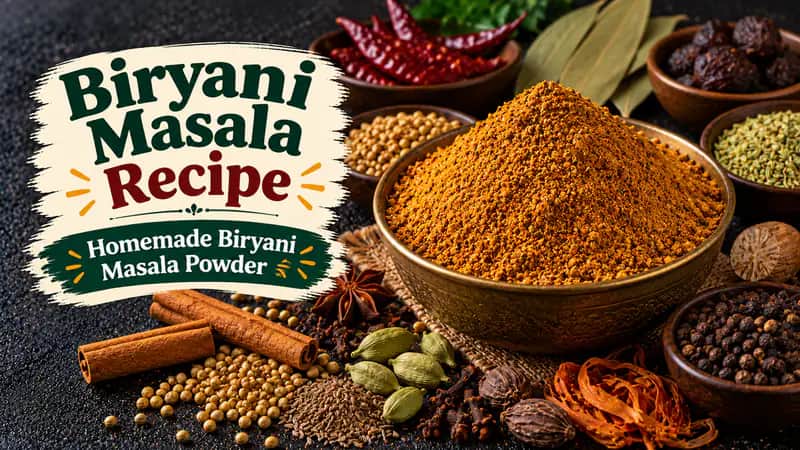
Biryani masala recipe: a homemade spice powder from roasted whole spices, mace, star anise and nutmeg, finished with dried plum, turmeric and amchur.
Tap Show more recipes to see the rest here.
Mace (javitri, joitri) is used in small amounts in biryani, korma, nihari, haleem and Mughlai gravies, and in garam masala. A blade or two is added whole to hot ghee, or a pinch of powder goes in at the end. It is also used in some sweets and bakery items.
Nutmeg is the closest swap; use a little less, as it is stronger. A pinch of cardamom also works in sweets.
Keep whole blades in an airtight jar away from light for up to a year. Grind it just before use, as the powder loses its smell quickly.
| Nutrient | Amount |
|---|---|
| Energy / Calories | 475 kcal |
| Protein | 6.7 g |
| Carbohydrates | 50.5 g |
| Total Dietary Fat | 32.4 g |
| Dietary Fiber | 20.2 g |
| Glycemic Index | Low |